Change doesn’t always knock politely; it usually just shows up. New systems roll out, teams get shuffled, you break into new markets, customer expectations shift overnight… and suddenly the way your business works looks nothing like it used to. Sound familiar? That’s growth for you, and you can’t wing it. A strong change management strategy can help prevent the scramble of potential chaos that comes with unanticipated change.
But engineering change is one thing; getting it to stick? Big story. A global McKinsey survey found that fewer than one in three organizations reported their transformation was successful. In other words, launching change is easier than sustaining it.
This guide covers what a change management strategy is, why it matters, how to create one, and best practices to help organizations achieve lasting results.
What Is Change Management Strategy and When Do You Need It?
Behind the fancy terminology, a change management strategy is simply a clear plan to help people adjust to fundamental organizational/operational change. It explains how leaders manage operational dynamics, such as sharing information, preparing employees, handling resistance, and tracking progress, so the business can reach its goals with as little disruption as possible.
Imagine a company launches a new performance management system on time. After a few months, many employees return to their old habits, and managers find it hard to get teams to use the new process regularly. The project finished, but the change did not last.
A solid change strategy can help avoid these problems. It gives leaders a clear plan to guide people through change, instead of hoping everyone will adapt on their own. This way, managing change becomes a regular part of business, not just a one-time project, and increases the chances that change will last.
Types of Change Management
Before choosing a change management strategy, first determine what kind of change you need to manage. Rolling out new technology is different from restructuring the whole company, even though both need careful planning. Knowing the size and type of change helps leaders decide how to communicate, where to give support, and how to define success.
The most common types of organizational change include:
- Strategic change – Changes that reshape the direction of the business, such as entering new markets, adopting AI, or introducing a new business model.
- Operational change – Improvements to internal processes and workflows that increase efficiency or reduce costs.
- Technological change – The introduction of new software, digital tools, or IT systems that require employees to adopt new ways of working.
- Organizational change – Restructures, leadership transitions, mergers, acquisitions, or changes to reporting structures.
The best change management strategy depends on the type of change, but the main goal stays the same: help employees adjust to new ways of working and keep everyone focused on the same business goals.
The 5 Steps to Build an Effective Change Management Strategy
Every organization handles change differently. For example, a company adding a new AI tool faces different issues than one going through a merger. Still, successful change management strategies usually follow the same steps: get people ready for the change, support them during the transition, and check if the change is working.
1. Define the change and the outcome you want
Start by being specific about what is changing and why.
- Are you improving customer experience?
- Reducing operational costs?
- Replacing outdated systems?
A clear goal keeps the project on track and helps everyone know what success means. The OKR (Objectives and Key Results) framework is helpful here because it asks organizations to set clear outcomes before planning how to reach them. When used well, OKRs keep change efforts in line with bigger business goals and make it easier to track progress. Interestingly, OKRs as a framework will also require a change management strategy if the goal is company-wide implementation.
💡 What are OKRs?
Objectives and Key Results (OKRs) are a goal-setting framework that helps organizations define what they want to achieve (Objectives) and how they will measure success (Key Results). They are widely used as a strategy execution framework to help align teams and keep strategic initiatives focused on measurable outcomes.
2. Understand who the change affects
Every change affects people in different ways. Some teams might need to learn new skills, while others have to change how they work. Find out who will be affected, think about how they will react, and try to spot where resistance might happen. It’s much easier to deal with concerns early than to fix problems later.
3. Communicate early and keep communicating
A single announcement usually isn’t enough to change behavior. People want to know why the change is happening and how it affects their work. Regular communication gives you a chance to answer questions and clear up misunderstandings before they spread.
4. Equip people to succeed
Training should help employees feel ready to work in new ways once the change starts. Some teams might need formal training, while others need hands-on help. Managers play a key role, especially in the first weeks as people build new habits.
5. Measure adoption, not just completion
A project isn’t successful simply because it launched on time. Look for evidence that people are embracing the change in their day-to-day work. Here are a few indicators to look out for;
- Adoption rates
- Employee feedback
- Process compliance
- Business performance
Reviewing these useful signals regularly makes it easier to adjust your change strategy before small issues become larger setbacks.
Common Mistakes That Cause Change Strategies to Fail
Even the best change management strategies can slow down after they start. Often, the issue is not the plan but small problems in its execution. These small gaps can grow into bigger obstacles and make it harder for people to accept new ways of working. Spotting these challenges early helps organizations keep change efforts moving forward.
| Common mistake | A better approach |
| Treating communication as a one-time announcement | Keep employees informed throughout the change. Regular updates, open discussions, and feedback sessions help maintain trust and reduce uncertainty. |
| Assuming everyone will adapt at the same pace | Different teams experience change differently. Tailor training and support based on how each group is affected. |
| Focusing only on project milestones | A project can finish on schedule while adoption stalls. Measure employee engagement, process adoption, and business outcomes alongside delivery milestones. |
| Leaving managers out of the process | Employees often look to their direct managers for guidance during periods of change. Equip managers with the information and resources they need to lead confidently. |
| Stopping after the rollout | Lasting change takes reinforcement. Continue monitoring progress, collecting feedback, and making adjustments as the organization learns what works. |
How to Track Change Management Success
Strategy has a habit of revealing itself slowly. A change management strategy may look successful on paper the day it launches. But its real impact is measured weeks and months later, when new behaviors become routine, and business outcomes begin to either improve, stagnate, or regress. That makes measurement an essential part of both strategic change management and long-term business execution.
A good change strategy should define what success looks like before you start. Rather than just checking off finished tasks, track things like employee adoption, stakeholder involvement, training completion, process compliance, and the business KPIs you want to improve. These measures give you a clearer view of whether your change strategy is working.
Many organizations begin tracking these metrics in spreadsheets because they’re familiar and easy to set up. As initiatives become more complex, however, maintaining visibility across teams becomes increasingly difficult. Dedicated strategy execution platforms like Oboard OKR Software help organizations connect goals, initiatives, and progress in one place, making it easier to measure change over time and continuously improve their change management strategies.
Using Tools Like Oboard to Support Strategic Change Management
Successfully implementing a change management strategy requires more than careful planning. Leaders also need visibility into how change initiatives are progressing, where adoption is slowing down, and whether those efforts are contributing to broader business goals. As organizations grow, keeping track of all of this with spreadsheets and disconnected project updates becomes increasingly difficult.
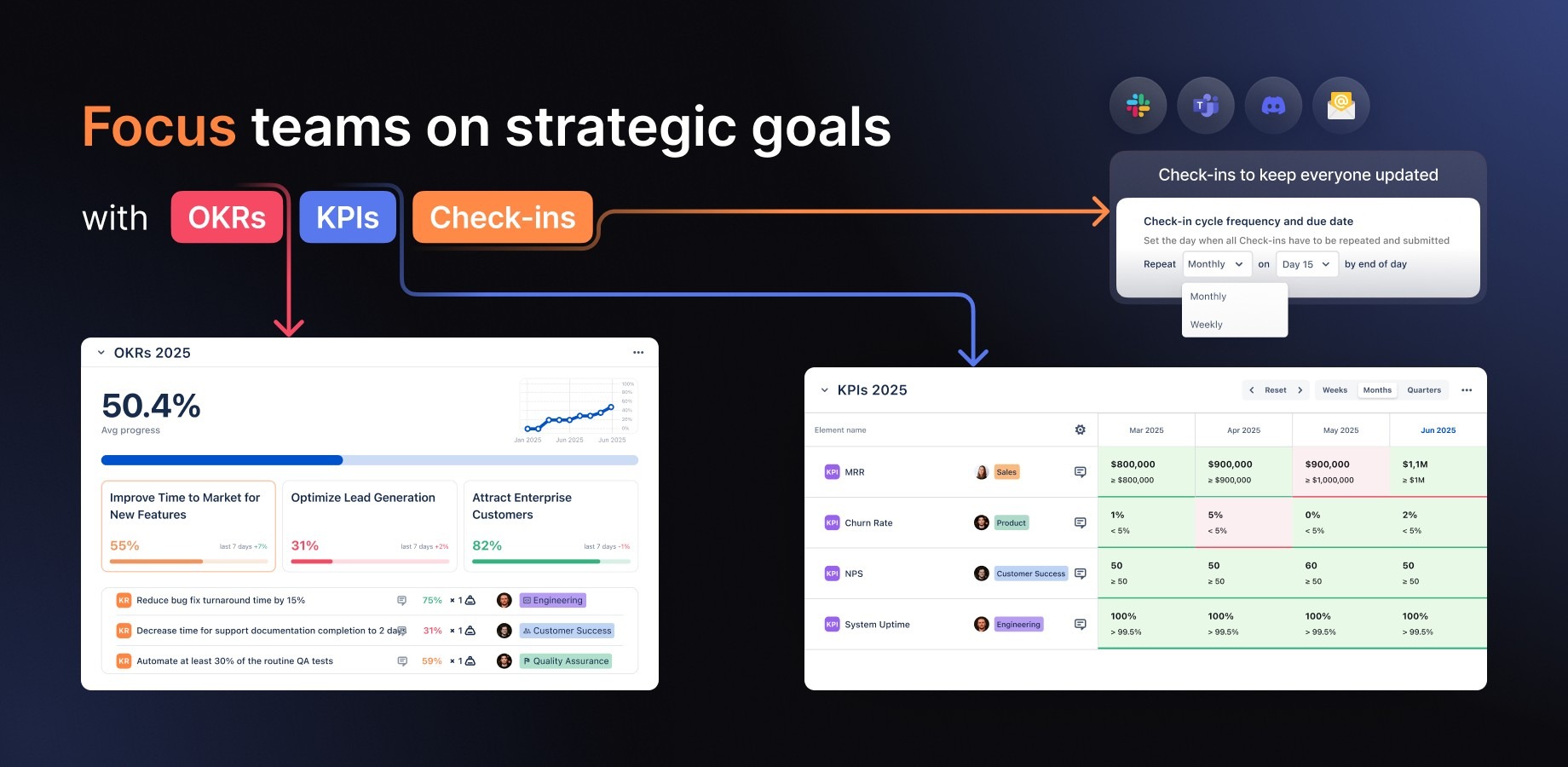
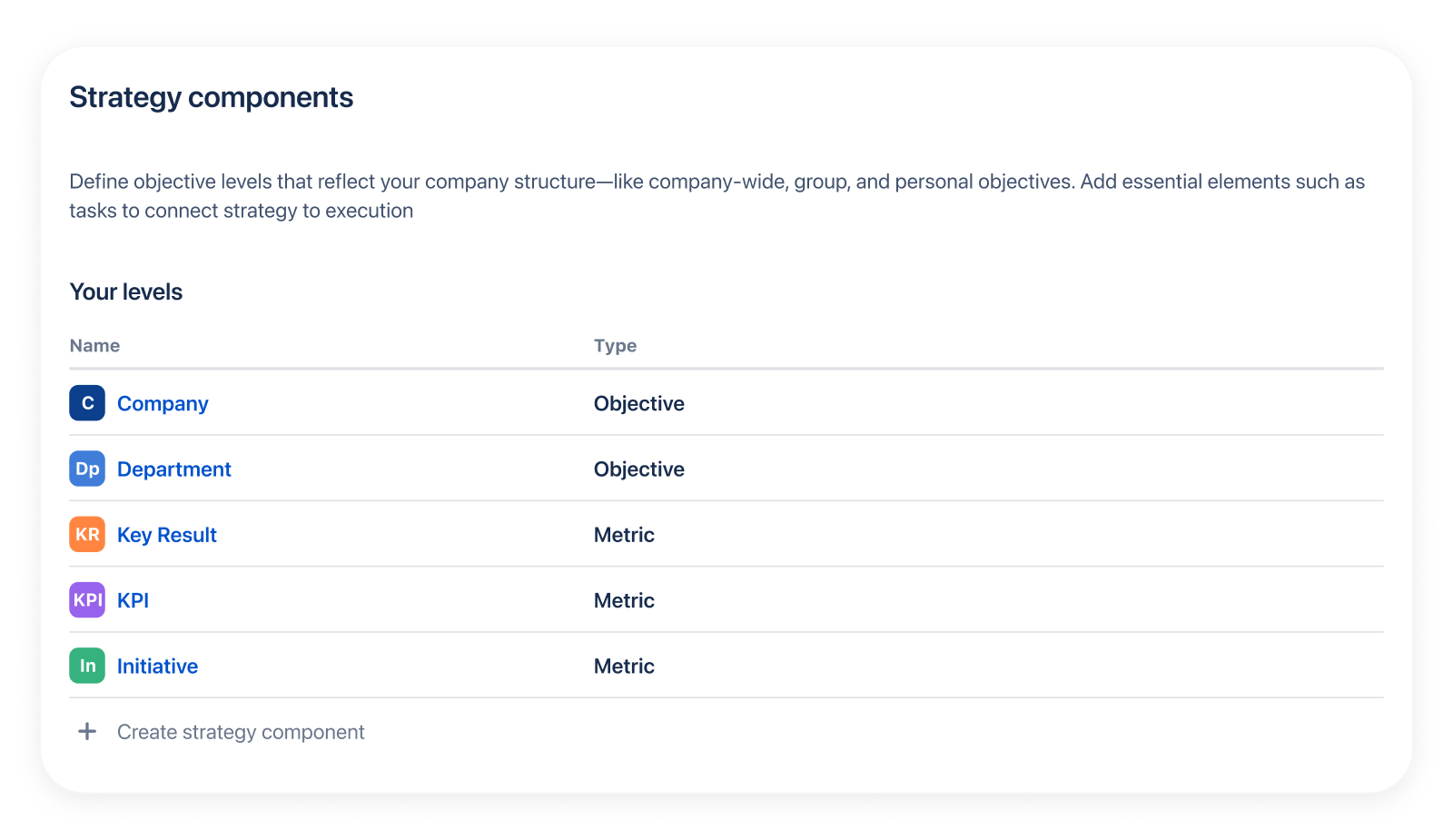
Oboard helps organizations with strategic change management by bringing strategy, execution, and reporting into one platform. One of Oboard’s main strengths is helping organizations see their strategy clearly. With Strategy Components, teams can set objectives, success measures, projects, and other key parts in an organized way.
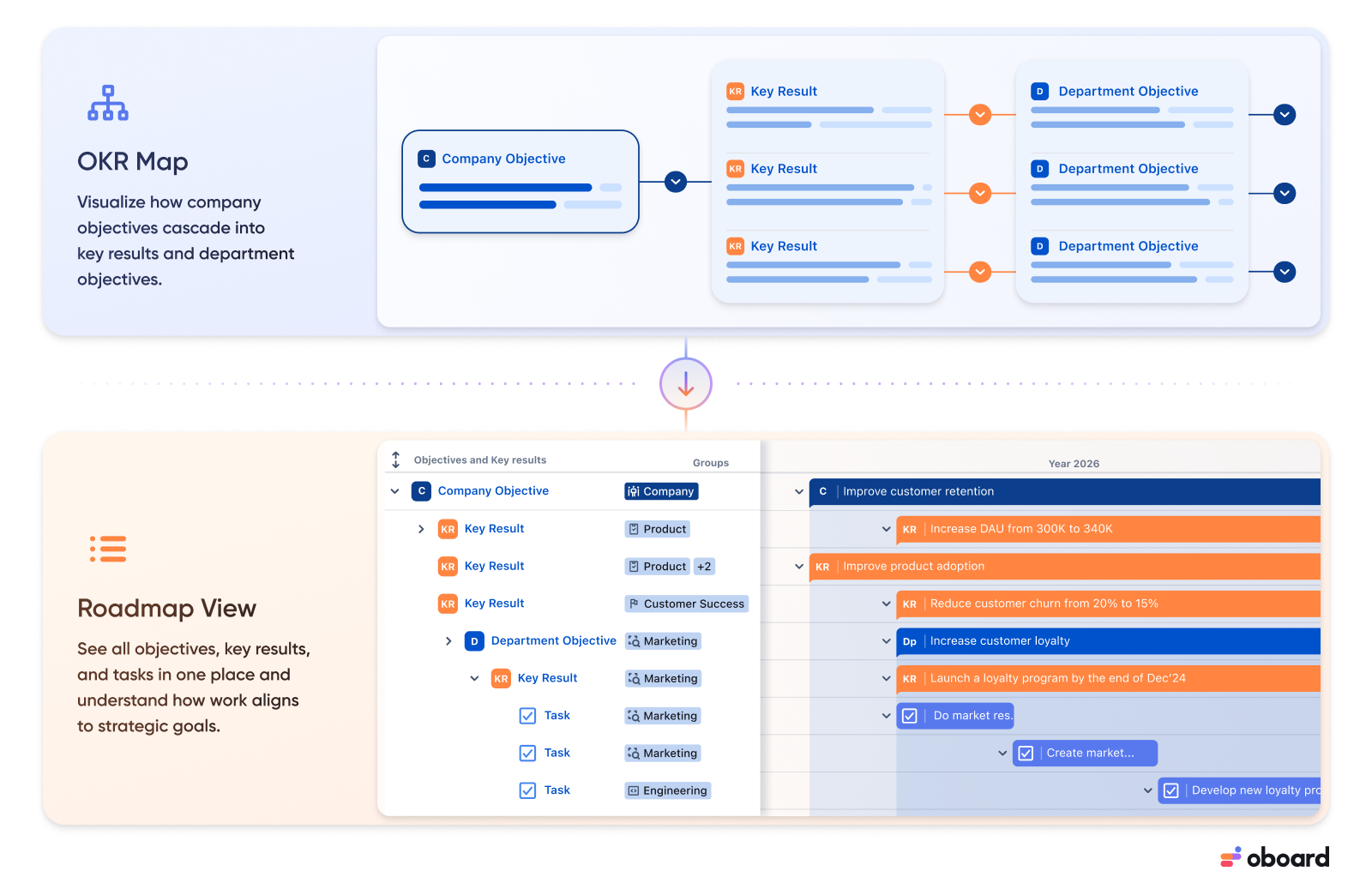
The Strategy Roadmap and Alignment View show how each project links to bigger business goals, making it easier to see how change is moving forward across the organization.
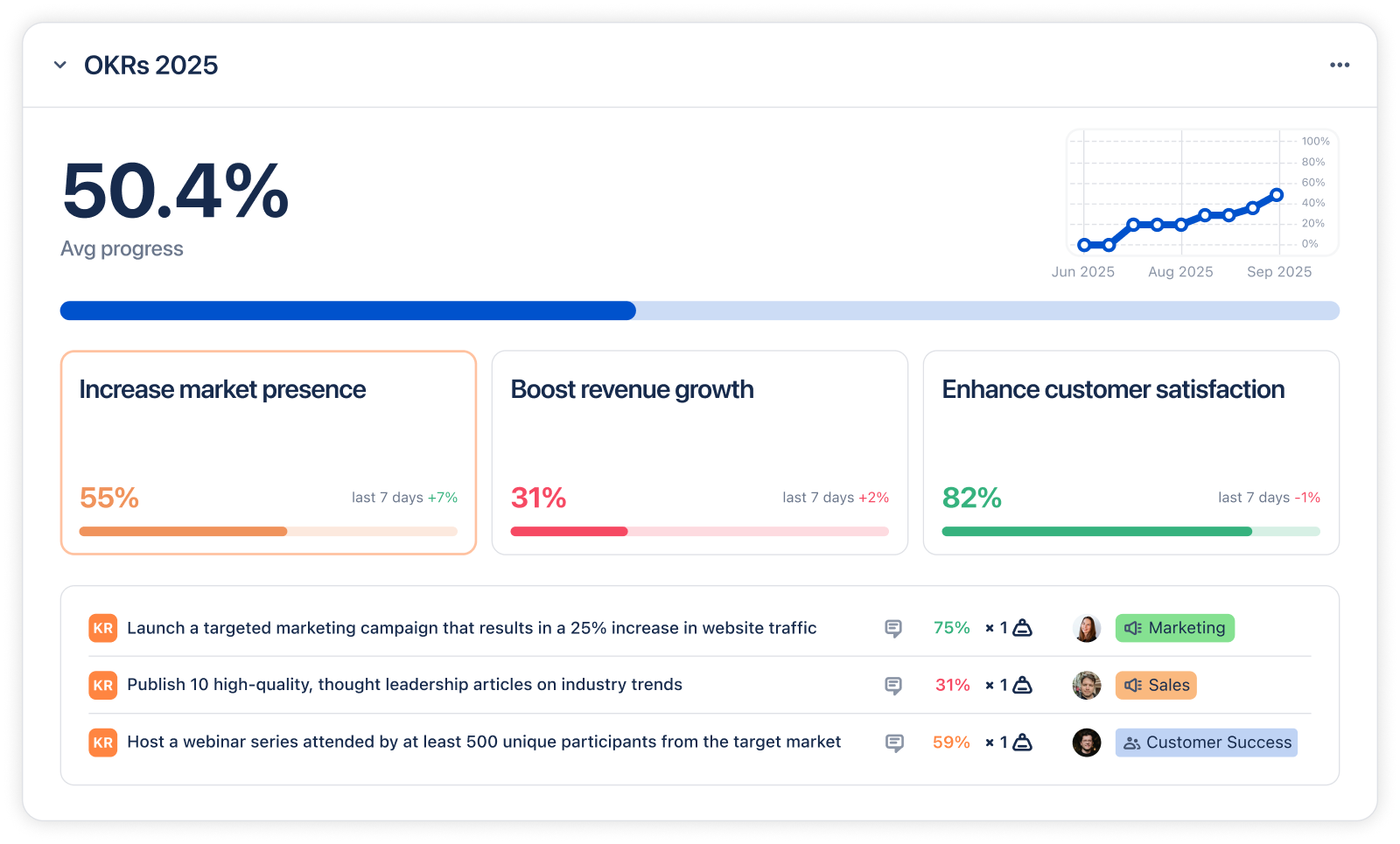
It’s much easier to manage projects when updates happen automatically. Oboard connects with tools like Jira, Microsoft Teams, Slack, Salesforce, monday.com, and HubSpot. This lets leaders track projects without manual reports or scattered spreadsheets. Real-time dashboards give a clear view of progress and help teams spot risks early.
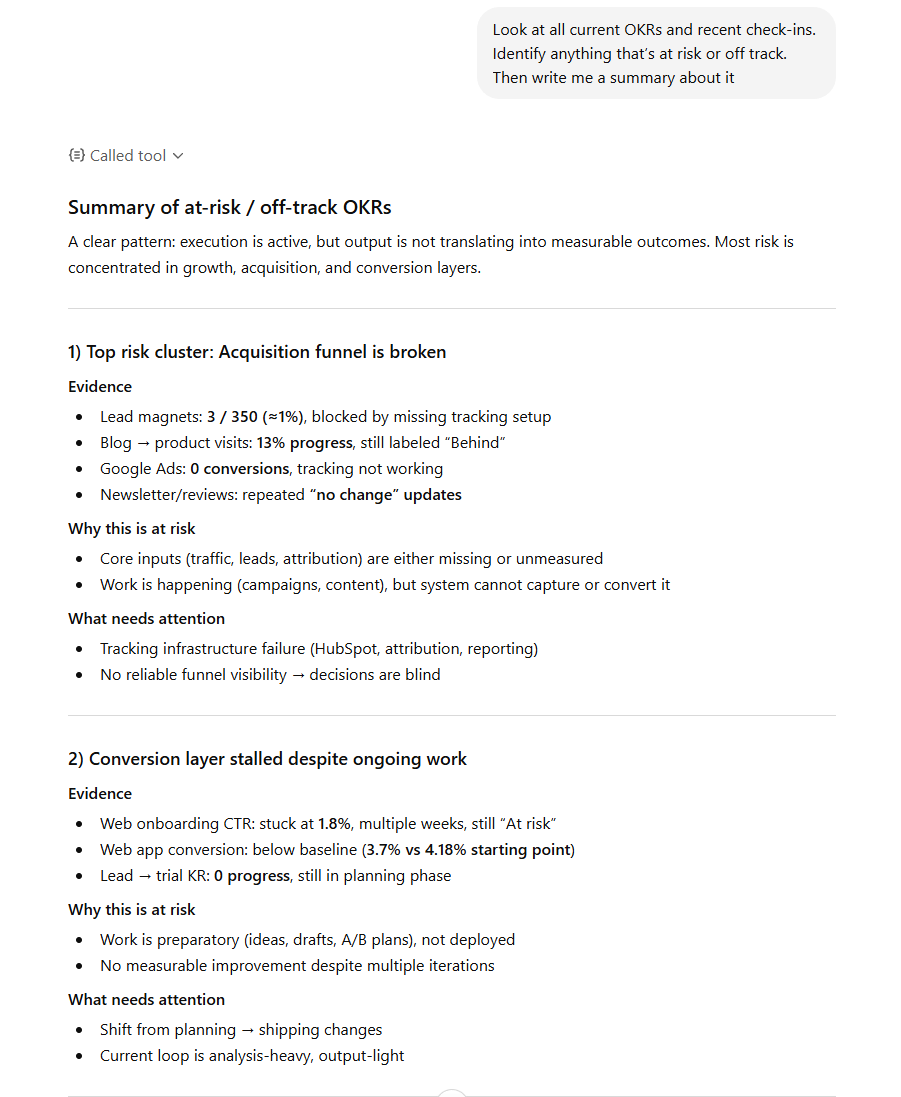
AI is also changing how organizations manage their strategies. Instead of spending time gathering updates or preparing reports, leaders can use their favorite AI Assistant to access their strategy data in Oboard. This allows them to summarize progress, identify projects that need attention, develop new strategy items, and answer questions using real-time data. This means teams spend less time on admin work and more time helping people adjust to change.
Turning Strategy into Lasting Change
Change is inevitable. Making it deliberate and successful takes a lot more than good intentions… You need consistency and a lot of patience. Organizations that handle change well don’t stop once a project is delivered — they continue reinforcing new ways of working until they become part of everyday operations.
A strong change management strategy gives you the structure to make this possible. When combined with practical steps, it helps leaders keep people focused on business goals and makes progress easy to see from beginning to end.

If your organization is looking for better strategies to manage change, Oboard brings strategy, execution, and reporting together in one platform. You can align objectives, monitor initiatives, and use AI to reduce the manual effort involved in tracking organizational change. If you’d like to see how it works, book a demo to speak with our team about supporting your next organizational change strategy.