OKRs were initially meant for big business. Andy Grove wrote the initial draft at Intel, and John Doerr further adapted it for Google for large teams with trouble with alignment. While the following years brought OKRs into smaller companies and outside of IT, there was still a tenet that OKRs were meant for teams rather than individuals. However, this is not true — individual OKRs are not just possible, but a highly effective way to use this goal-setting framework in your own personal journey to success.

What is an OKR for personal goals?
Objective and Key Results (OKRs) have long been celebrated in the corporate world for their effectiveness in setting and achieving goals. The essence of OKRs lies in setting a clear Objective and defining measurable Key Results to track progress.
For example, a Business Objective might be to “Decrease the number of user-reported bugs in Q3,” and its Key Result is “Increase test coverage from 70% to 80%.” This provides teams with a clear understanding of the company’s priorities and how success is measured. Extrapolating from this, a Personal Objective could be “Improve physical health,” with key results like “Lose 10 pounds in 3 months” and Initiatives like “Run 5 kilometers thrice a week” and “Reduce sugar intake by 50%.”

Why Do You Need Personal OKRs?
By adopting personal OKRs, you are not just setting goals, but actively managing your growth and success. This strategic approach encourages continuous improvement and helps ensure that your personal actions are aligned with your ultimate aspirations.
Clear Direction and Focus
Improvement requires dedication — and dedication is only possible when you know exactly what you are doing and why. Personal OKRs force you to define what you truly want to achieve by setting concrete objectives. This clarity helps eliminate distractions and keeps you focused on tasks that contribute directly to your goals. Whether you aim to improve your health, learn a new skill, or advance your career, personal OKRs set a clear path forward.
For example, imagine you want to lose weight, learn a new language, build a 4874-piece LEGO Star Destroyer, and get a certificate in digital marketing. By using OKRs to prioritize important ambitions, you can better plan your next quarter and focus on the tasks that matter most to you. By the way, that Star Destroyer looks amazing next to the 5374-piece Venator, so there’s your Objective for the next quarter, too!
Measurable Progress
Key Results are measurable milestones that enable you to track progress toward achieving your objectives. This measurable aspect of OKRs allows you to evaluate your performance and adjust your strategies accordingly.
For instance, if your objective is to enhance your professional skills, completing several online courses or obtaining a certification by a set date could be a key result.
Increased Motivation
The structure of OKRs helps to break down larger, often overwhelming, goals into manageable, actionable steps. Each achievement of a key result fuels your motivation to continue. By seeing tangible progress, your ongoing efforts feel more rewarding and purpose-driven.
Alignment of Personal and Professional Growth
For many, personal and professional lives are deeply interconnected. Using OKRs for personal development helps align your goals with your career objectives, ensuring that progress in one area can positively influence the other. For example, improving public speaking skills could be a personal goal that directly benefits your professional role.
Flexibility and Adaptability
One of the strengths of OKRs is their adaptability. Life is unpredictable, and personal circumstances can change rapidly. Personal OKRs allow you to adjust your key results as needed, providing flexibility to shift your focus without losing sight of your overall objectives. This adaptability is crucial for maintaining balance and achieving long-term success despite external challenges.
Getting Things Done
An innovative approach to enhancing personal productivity and goal achievement is through tools like Noty.ai, which employs the Get Things Done (GTD) methodology. GTD, popularized by productivity expert David Allen, emphasizes capturing all tasks and ideas into an external system to free the mind for more focused thinking. Noty.ai integrates this methodology into its platform, offering users a structured way to organize tasks, prioritize actions, and ensure nothing slips through the cracks.
By combining the principles of Personal OKRs with the GTD approach provided by Noty.ai, individuals can enhance their effectiveness in managing personal and professional goals. The seamless integration of goal-setting frameworks with productivity tools empowers individuals to streamline their workflows, stay organized, and achieve greater success in all aspects of life.
How to Set Personal OKRs
Setting personal OKRs involves a thoughtful blend of introspection and planning. By defining clear objectives and establishing precise, measurable key results, you can align your daily actions with your broader life goals, moving closer to personal success.

Defining Personal Objectives
Identify What Matters Most. Mick Jagger used to sing, “You can’t always get what you want” — so start by defining what you need. Begin by reflecting on what you truly want to achieve in your life, such as career, health, education, relationships, or personal growth. Consider what accomplishments would make the biggest impact on your happiness and success. If you can’t come up with anything, there are some OKR Examples for personal growth at the bottom of this section.
Be Specific and Ambitious. Your Objectives should be clear and challenging, yet achievable. There is no need to set a goal: “Achieve an Adonis-like physique this year” or “Become an S&P500 CEO tomorrow”. Those won’t happen unless you are already an incredibly fit CEO — in which case, congratulations! Still, Objectives should inspire you and push you out of your comfort zone, but still be realistic enough that you can attain them with effort.
Write Them Down. First, on paper or in your Notes app on the phone. This will be your cornerstone for further brainstorming and articulation until you turn something like “get fit” into a distilled Objective like “Be able to run a 5K by summer” — and then you can add it to your OKR app.
Determining Key Results
Set SMART Criteria. Key results should be Specific, Measurable, Achievable, Relevant, and Time-bound. This criterion ensures that you can quantitatively measure your progress and know definitively when you’ve achieved your results.
Create Milestones. Break your objective into a set of measurable steps. For example, if your objective is to “be able to run a 5K by summer,” appropriate key results could be “Run a mile without stopping for more than 15 seconds” or “Improve my 300m time by 15 seconds”.
Quantity and Quality. Balance Inputs, Outputs, and Outcomes to properly showcase the progress toward the Objective. We have a dedicated infographic if you don’t know what those are.
Personal OKR Examples
- [O] Secure a promotion to a managerial role within my current organization.
- [KR] Complete the company’s leadership training course by Q2.
- [KR] Lead a project team successfully to deliver a major project by Q3.
- [KR] Receive a performance rating of at least 4 out of 5 in the next performance review.
- [O] Improve physical health via regular exercise and a balanced diet.
- [KR] Work out at least 4 times a week for 6 months.
- [KR] Reduce fast food intake to once a month.
- [KR] Lose 15 pounds within the next 6 months.
- [O] Enhance emotional well-being through mindfulness and stress management techniques.
- [KR] Practice mindfulness meditation for 15 minutes daily.
- [KR] Attend a weekly yoga class to improve flexibility and reduce stress.
- [KR] Read and complete exercises from at least two books on emotional intelligence by the year’s end.
How to set Personal OKRs with Oboard
Once you’ve established your OKRs, implementation is the next critical phase. This involves integrating your objectives and key results into your daily life and ensuring they guide your activities and decisions. Here’s how you can effectively implement your personal OKRs to drive progress and achieve your goals.
Planning and Execution
Break It Down. Divide each key result into smaller, actionable tasks. This makes large goals more manageable and provides a clear roadmap of what needs to be done. For instance, if your key result is to “read 12 industry-related books by the end of the year,” you could break this down into tasks like “select books to read,” “schedule weekly reading times,” and “complete one book every month.”
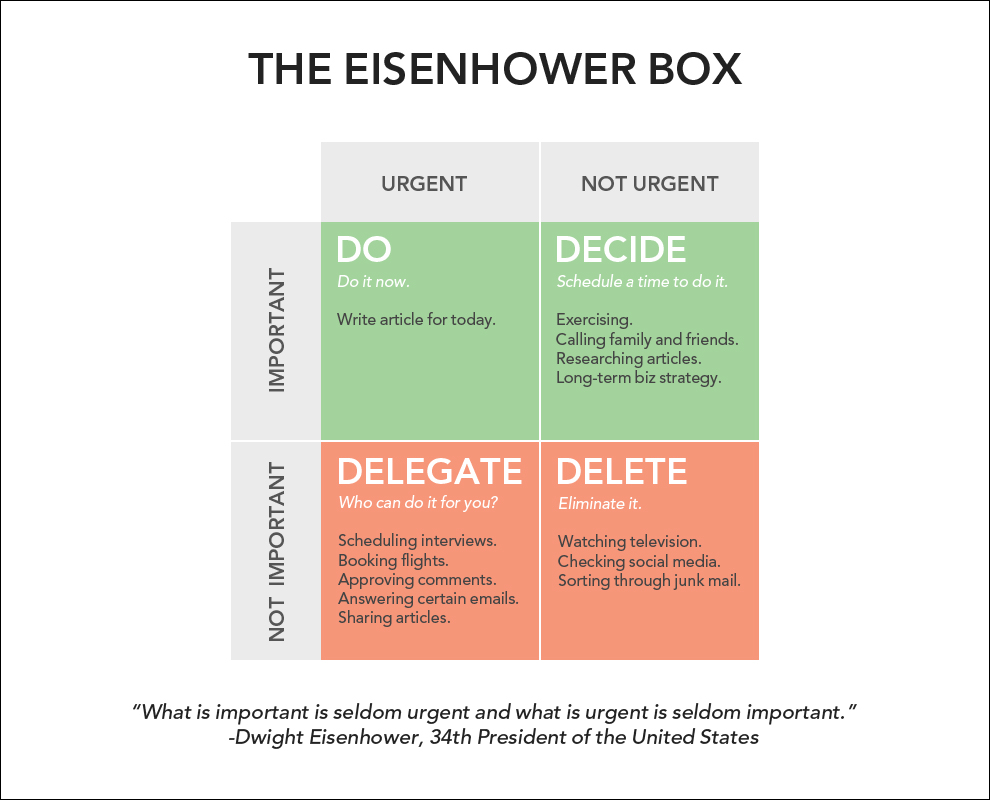
Set Priorities. With your tasks outlined, prioritize them based on urgency and importance. Use tools like the Eisenhower Box to distinguish between urgent, important, both, or neither. This will help you focus on activities that directly contribute to achieving your key results.
Schedule Your Tasks. In your calendar, assign specific times for each task. Treat these times as fixed appointments, like a meeting or a doctor’s appointment. Consistent scheduling fosters discipline and ensures regular progress toward your goals.
Using OKR Board for Jira
Tools like Trello, Asana, or Notion can help you manage tasks and projects under your OKRs, but if you are using the Oboard OKR app at work, you already have the best solution.
Here’s how you can use Oboard to track your Personal OKRs:
- Create a Private Workspace. This will help you separate your personal OKRs from the other users and grant you some privacy. Remember that your OKR Board Administrators can see all the OKRs in the app anyway, so don’t put anything confidential.

- Create your Objectives. Click Objectives on the Home screen. Click Create, fill in the Objective title, pick the OKR Level (Personal), select the OKR owner (yourself), and click Create.

- Establish your Key Results. Click on the Objective to open it, then click Create Key Result inside the Objective and select Key Result from the dropdown menu. Then, add the Key Result title, select the metrics it will track, and click Create.

NOTE: We recommend having at most 3 key results per personal objective.
If you are not using the Oboard OKR App at work yet, you should. It can keep track of your Personal OKRs and completely align the workflow of your entire company. For example, with Oboard, you can link your Jira tasks directly to the Key Result and see the progress update in real-time as your engineers close Jira tickets.
Conclusion
Personal OKRs are powerful tools for individuals seeking to achieve great things in their personal lives. Originating in high-stakes business environments, OKRs have proven their value in aligning teams and scaling operations. Yet, their true versatility shines when adapted for personal development, offering a structured yet flexible approach to setting and reaching personal goals.
Successful implementation of Personal OKRs involves breaking down Key Results into actionable tasks, prioritizing them effectively, and integrating them into your daily schedule—just like with the business OKRs, actually. As long as you are using proper tools, like the Oboard OKR App, managing your Personal OKRs is a breeze.
You can get the OKR Board for Jira app on the Atlassian Marketplace. It’s free for Jira instances with 10 users or less — so check it out and begin your journey towards personal success today. Start small, think big, and use OKRs to propel yourself toward a more successful and fulfilling life!